


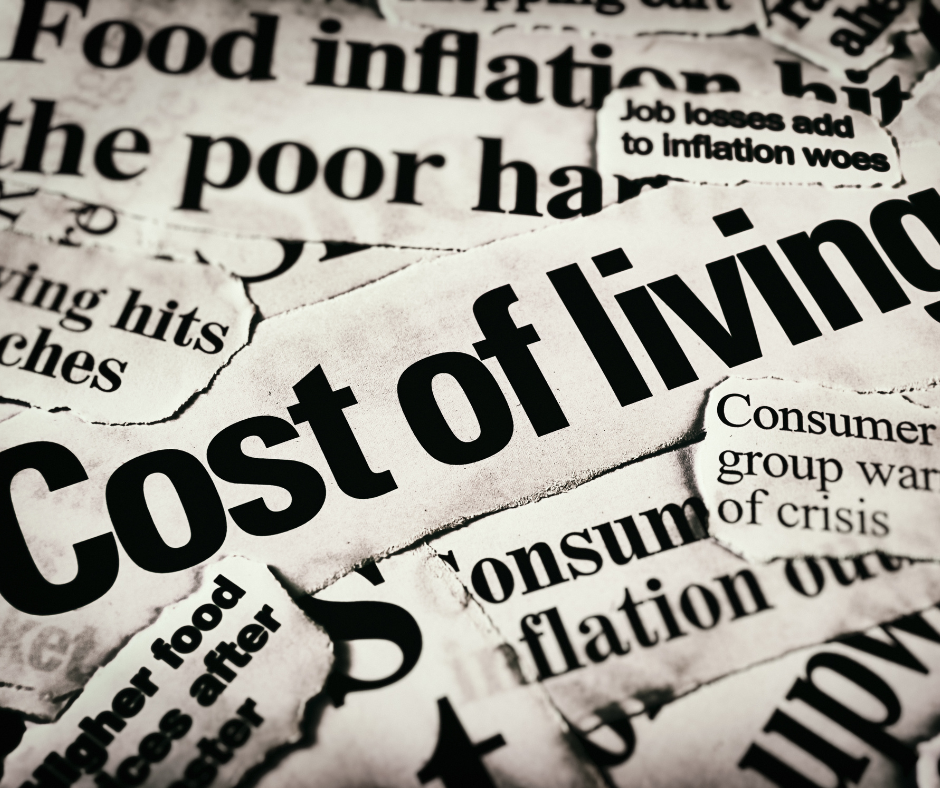
For many Australians, 2026 has continued the financial balancing act that began several years ago.
While inflation has eased from its recent peaks, the cost of everyday essentials remains significantly higher than many households became accustomed to before 2022.
At the same time, interest rates, housing costs and ongoing global uncertainty continue to influence household budgets.
Recent data shows Australia’s annual inflation rate eased to 3.8%, providing some relief, although it remains above the Reserve Bank of Australia’s target range of 2–3%. The RBA has also noted that higher energy prices and global uncertainty could continue to influence inflation over the coming year.
Household spending remains resilient despite higher living costs. According to the Australian Bureau of Statistics, total household spending increased 1.3% during May 2026 and was 5.5% higher than a year earlier, with increases across most spending categories.
The labour market has also remained relatively strong, although wage growth is expected to moderate. Current forecasts suggest annual wage growth may ease to around 3.1% during 2026, while the RBA expects consumer spending to remain subdued as higher prices and borrowing costs continue to affect household budgets. Consumer confidence has also remained below long-term averages, reflecting ongoing caution among Australian households.
Against this backdrop, many Australians are reviewing their finances.
There is no single approach that suits every household. Financial priorities often change depending on income, family circumstances, debt levels, savings, future goals and tolerance for financial risk.
Rather than making dramatic changes, it may be worthwhile considering a range of practical financial habits, including:
- Reviewing household spending to identify regular expenses that may have increased over time.
- Checking whether mortgage repayments remain manageable if interest rates change.
- Rebuilding or maintaining an emergency savings buffer.
- Reviewing insurance policies and household bills.
- Understanding whether superannuation contributions remain aligned with long-term goals.
- Paying attention to high-interest debt.
- Regularly reviewing investment portfolios.
- Considering future large expenses rather than focusing only on current bills.
- Reviewing household budgets as income or expenses change.
- Staying informed about economic developments that may affect personal finances.
Reviewing personal finances regularly and understanding how changing economic conditions may affect household budgets can help Australians make informed decisions as circumstances evolve.
At Finwell Group, we want you to have control of your financial future, and our team is ready to help you achieve that.
To organise a complimentary review of your circumstances and get your questions answered, visit our website at www.finwellgroup.com.au/book-an-intro/
Alternatively, give us a call on (03) 9017 3235 or email better@finwellgroup.com.au.
General Advice statement
The information in this article is general in nature and does not take your specific needs or circumstances into consideration, so you should look at your own financial position, objectives and requirements and seek financial advice before making any financial decisions.